Most workshop owners find out a job is late when it's already late. Real-time job tracking flips that — you see which jobs are ahead, behind, or stuck while there's still time to do something about it.
What real-time actually means
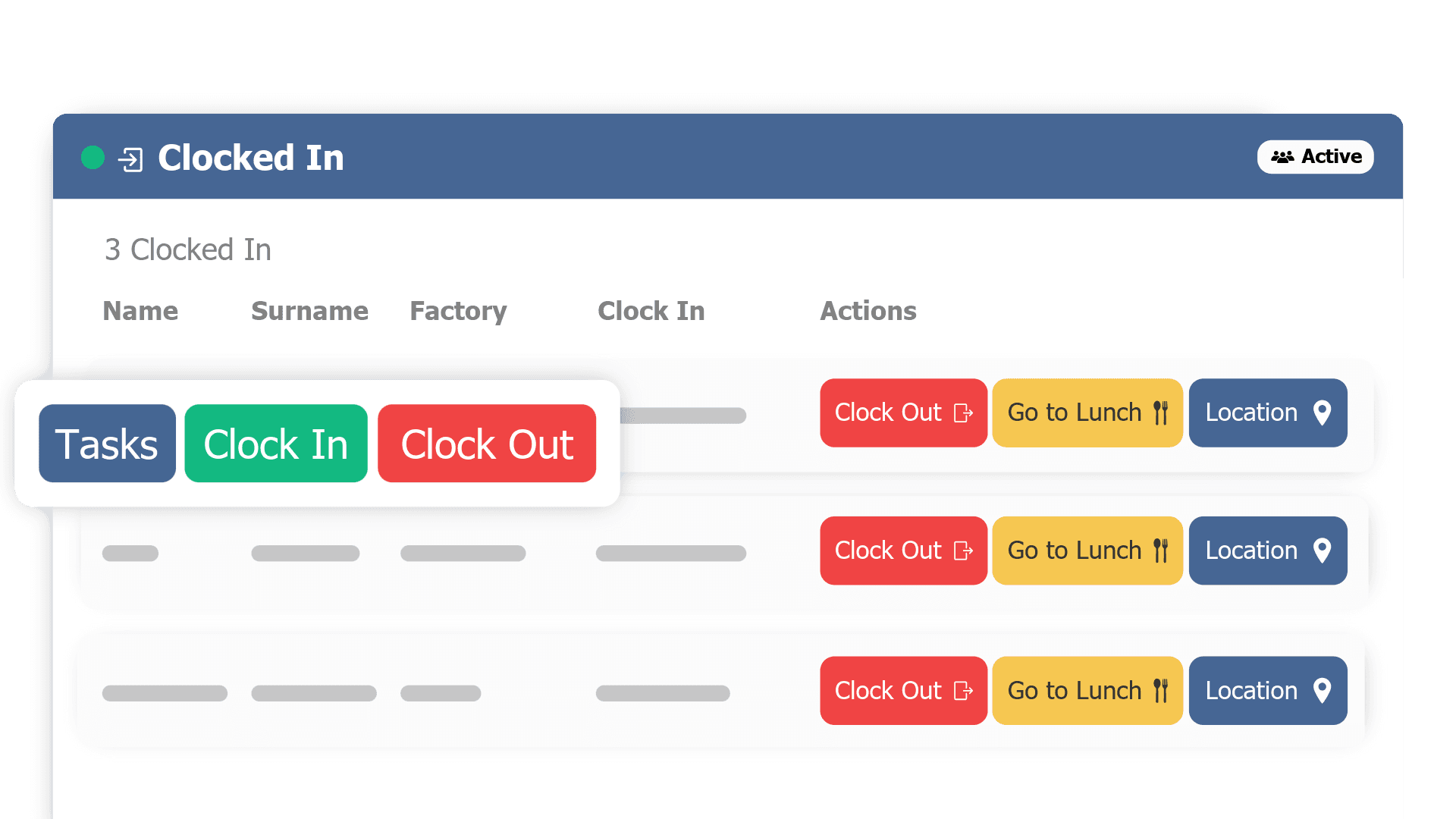
Real-time job tracking means the status of every job updates itself as work happens on the floor — not from someone updating a spreadsheet once a week. When a worker clocks onto a job and moves it through its stages, the tracking board reflects it instantly.
What it tells you
- Where every job is — by stage, across the whole floor, live
- What's behind — jobs tracking over their planned hours, flagged early
- What's stuck — work queuing at a bottleneck, usually finishing or a scarce machine
- Who's on what — real labour against real jobs, right now
Why it beats a whiteboard
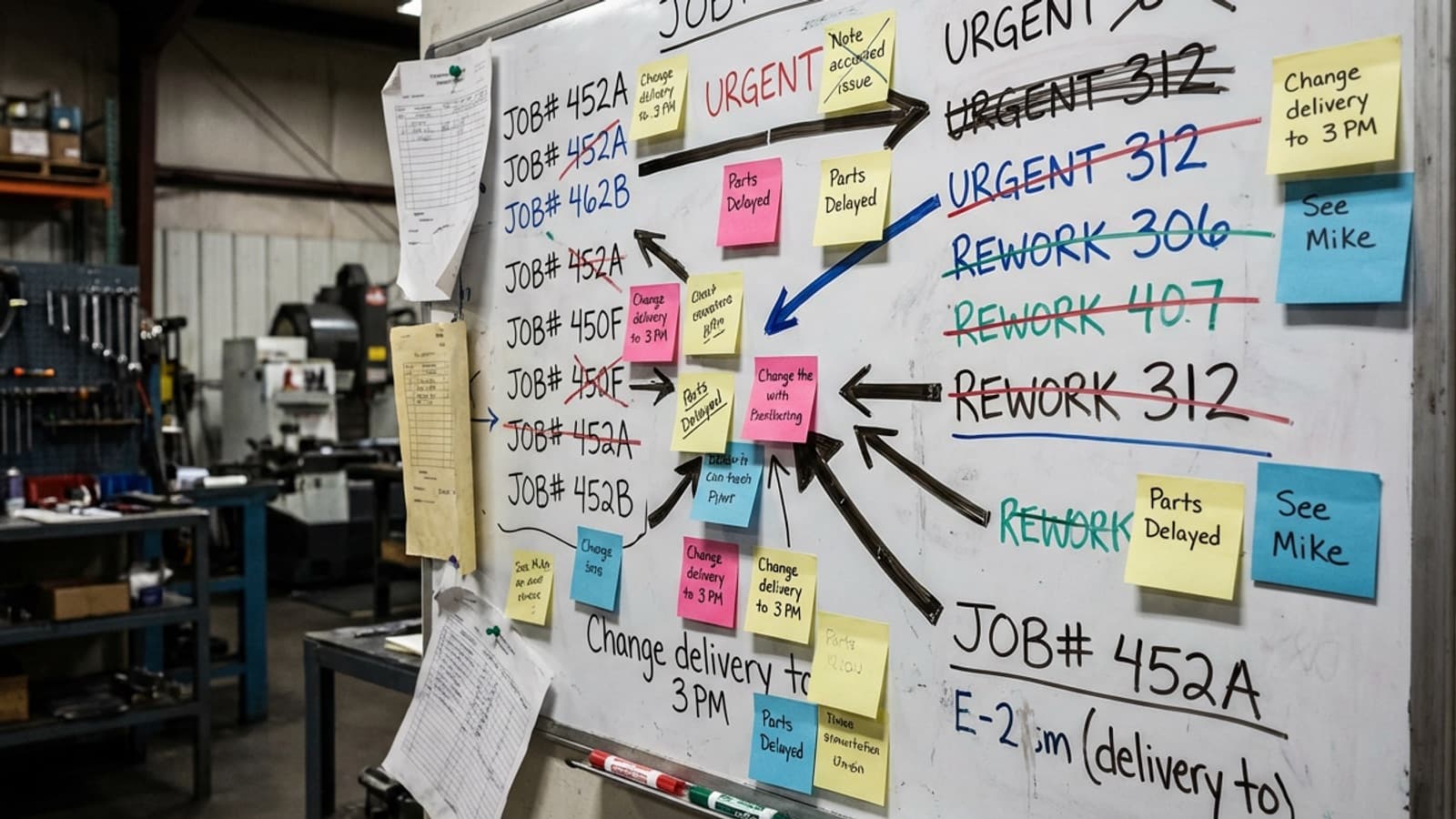
A whiteboard shows what's on, but it has no memory and doesn't update itself. The moment the floor moves, the board is stale. Real-time tracking is always current, keeps a history you can learn from, and doesn't depend on one person keeping it up to date.
How it connects to job costing
Real-time tracking and job costing are two views of the same data. Because workers clock onto jobs and tasks as they work, you get live progress and live cost together — you can see a job is running behind and that it's eating into margin, at the same moment.
The bottom line
Real-time job tracking turns hoping a job's on track into knowing exactly where it is. Empower tracks every job live across your floor. See how it works, or calculate your gains.