Most engineering workshops still run timesheets on paper or a spreadsheet — filled in from memory at the end of the day. It feels free, but the inaccuracy quietly poisons your job costs, your quotes, and your payroll. Digital timesheet software fixes that at the source.
The problem with paper and spreadsheet timesheets
- 1Filled from memory — a fabricator writing up their day at 4:55pm doesn't remember the 35 minutes spent waiting for steel. Studies put paper capture at 15–30% off.
- 2No detail — a single daily total against a job number doesn't tell you the stage or whether any of it was rework.
- 3Admin overhead — someone collects, reads, and re-keys every sheet, week after week.
What digital timesheets change
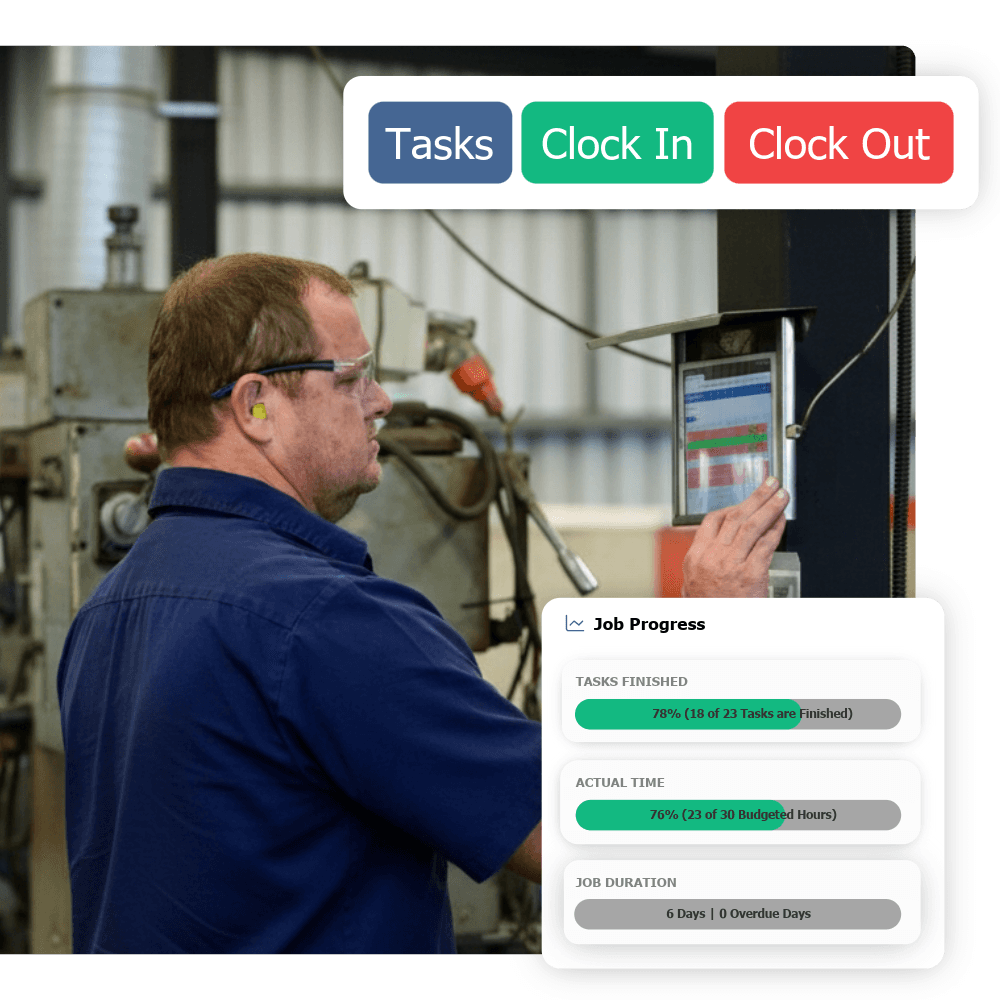
With digital timesheet software, staff clock onto a specific job and task from a tablet, phone, or floor screen. When they switch jobs or take a break, they clock across. The timesheet builds itself — who, what job, what task, what time — accurately and in real time.
- Accurate per-job, per-task hours — the foundation of profitable quoting
- Real-time visibility — see who's on what right now, not at month-end
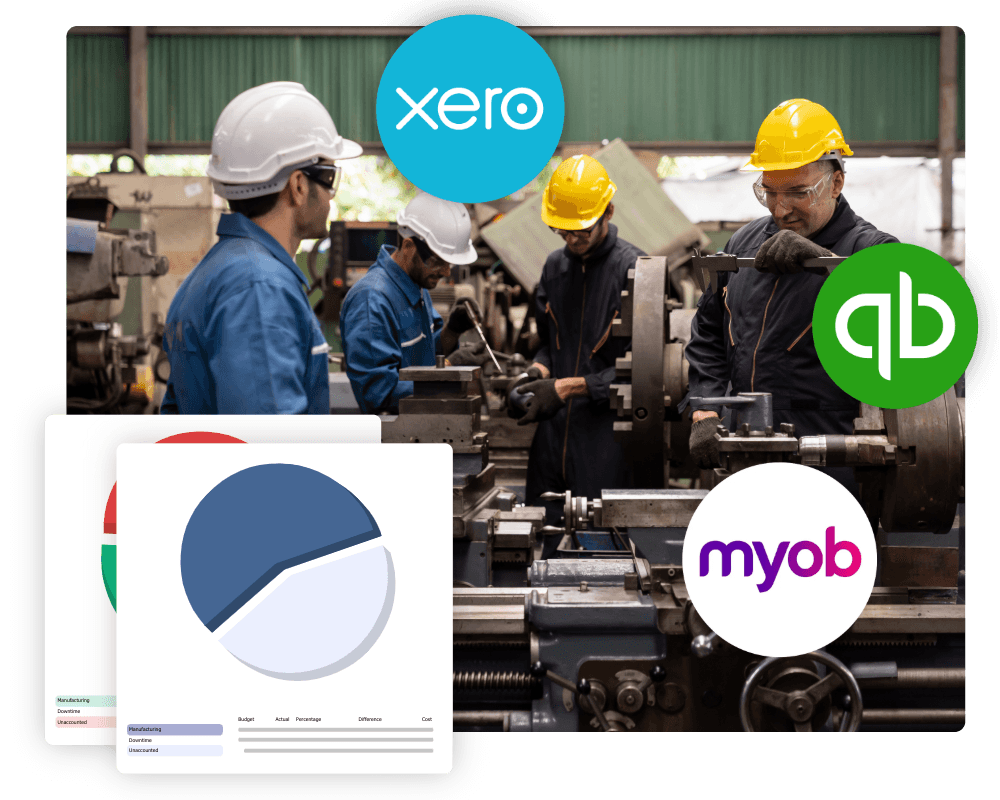
- Payroll-ready data — verified hours flow into Xero, MYOB, or QuickBooks without re-keying
What to look for in an engineering context
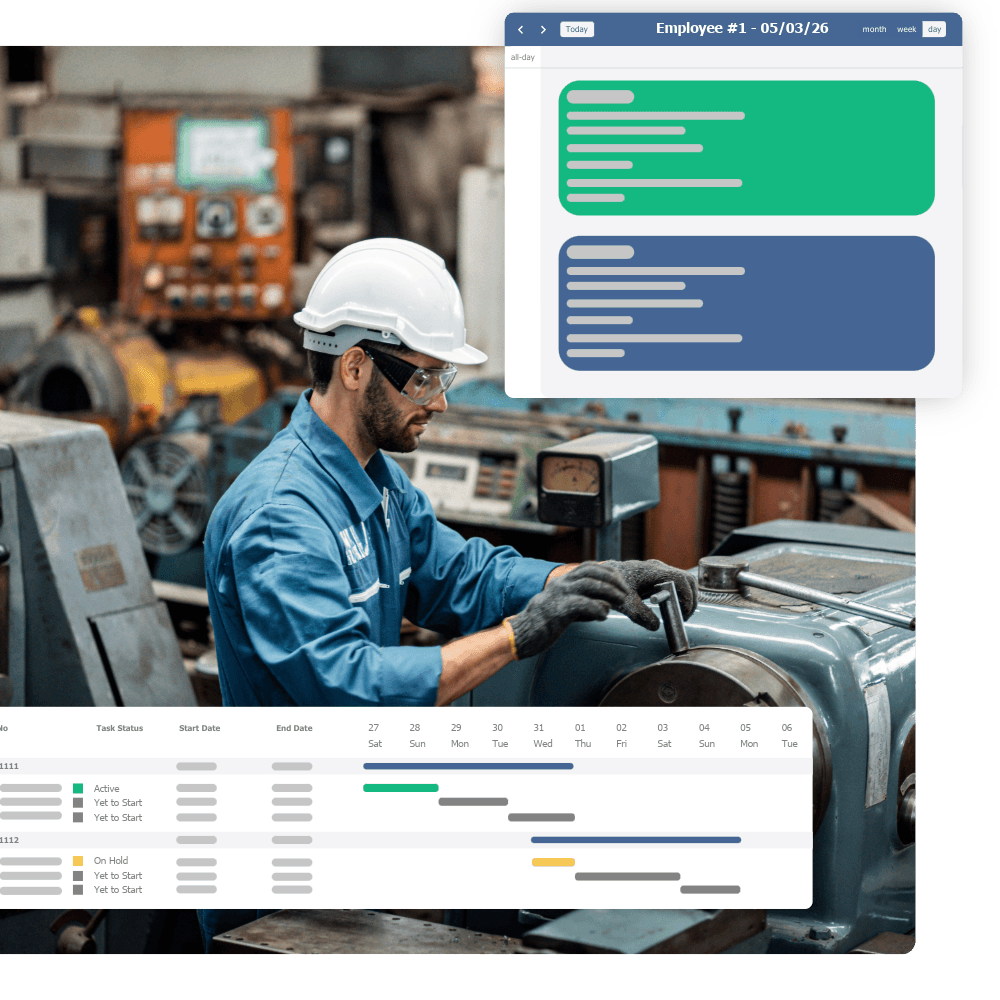
Engineering jobs are multi-stage — CNC, fitting, assembly, QA. Look for timesheet software that captures time by stage, not just by job, and that's fast enough on the floor that your team will actually use it. Timesheet detail is worthless if adoption is poor.
15–30%
Typical inaccuracy of paper-based time tracking
The bottom line
For an engineering workshop, digital timesheets pay for themselves on quoting accuracy alone — before you count the admin you get back. Empower captures time on the floor and feeds your payroll and job costs automatically. See time tracking, or run your numbers.