Search for the best job costing system in NZ and you'll find a lot of accounting tools with a job-costing checkbox. Real job costing — the kind that tells a jobbing manufacturer which jobs make margin and why — is a different thing. This guide covers what to actually look for, and how to tell the pretenders from the real systems.
What real job costing requires
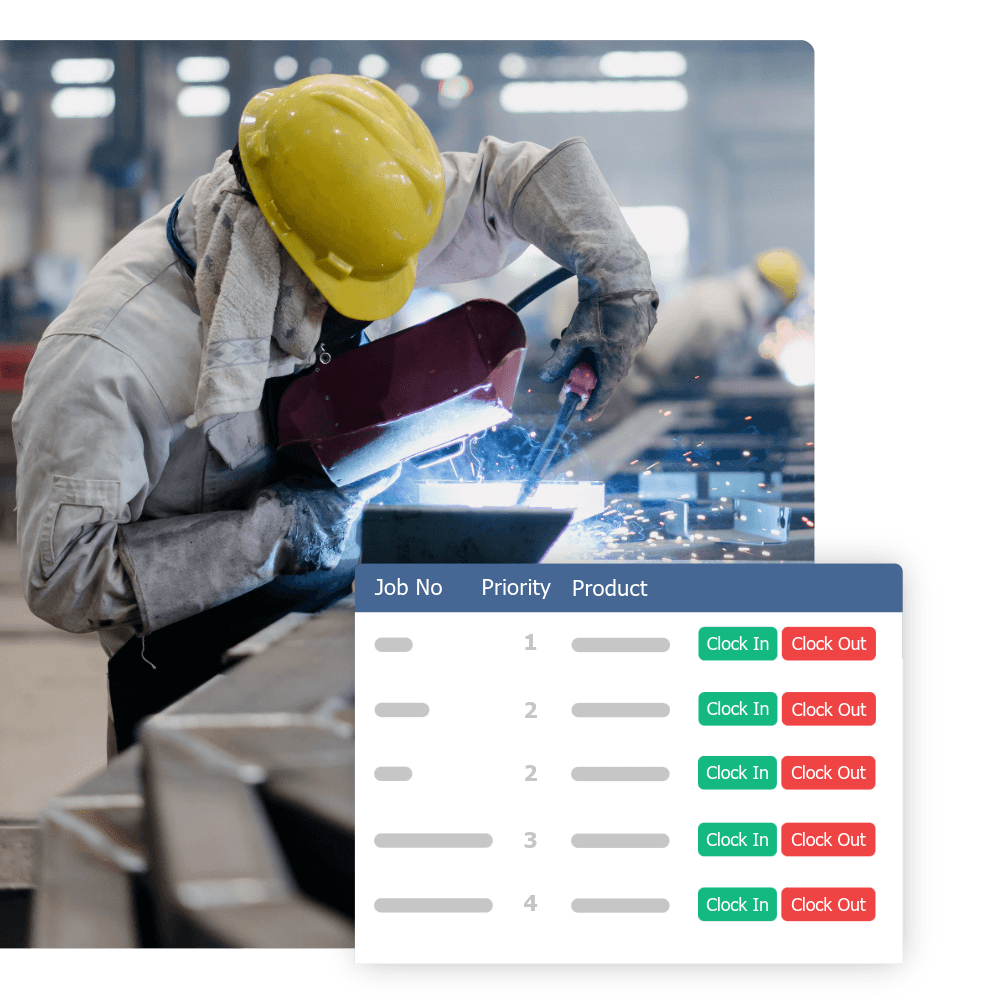
- 1Accurate labour capture — job costs are mostly labour, and labour is only as accurate as your time data. Paper timesheets are 15–30% off; floor-based clock-on is near-exact.
- 2Task-level detail — not just a daily total against a job number, but which stage, and whether any of it was rework.
- 3Materials against jobs — raw materials, consumables, and bought-in work logged to the job.
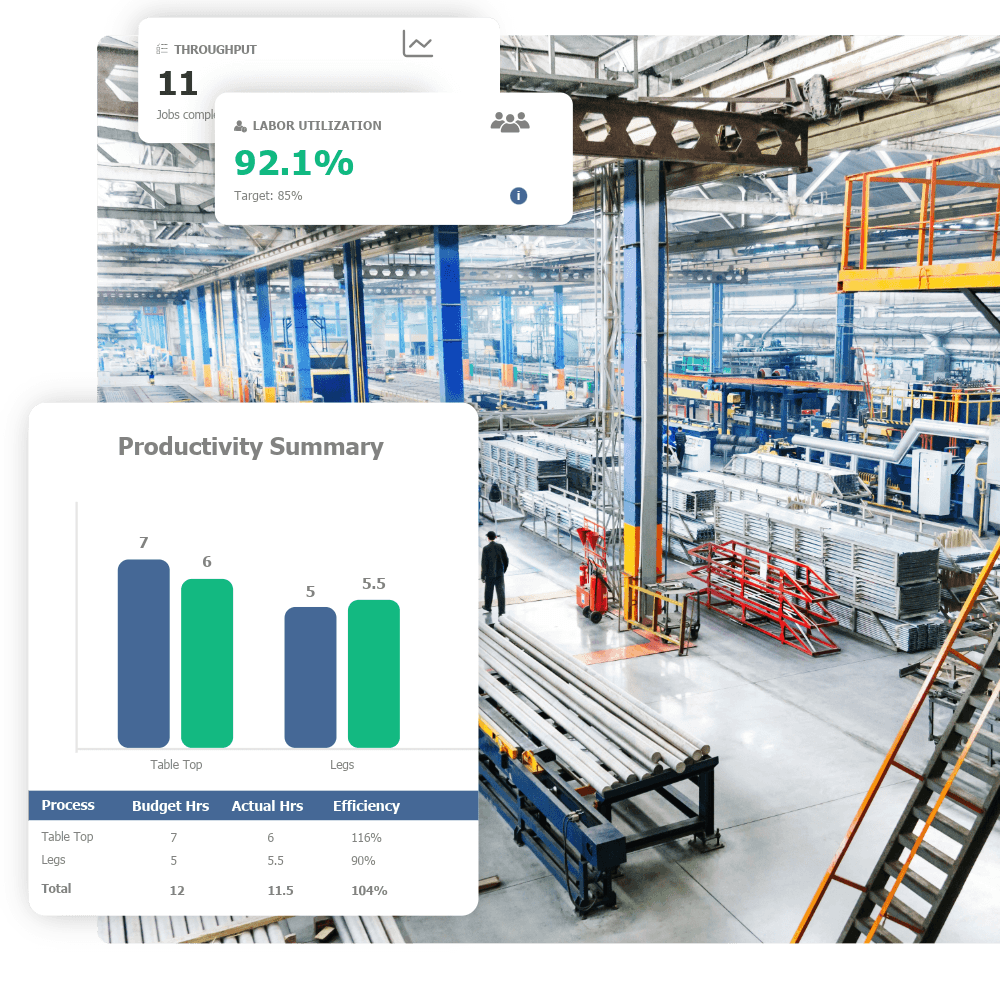
- 4Quoted vs actual — the system compares real cost to the quote, live, so you see the leak before the job ships.
Accounting add-on vs a real system
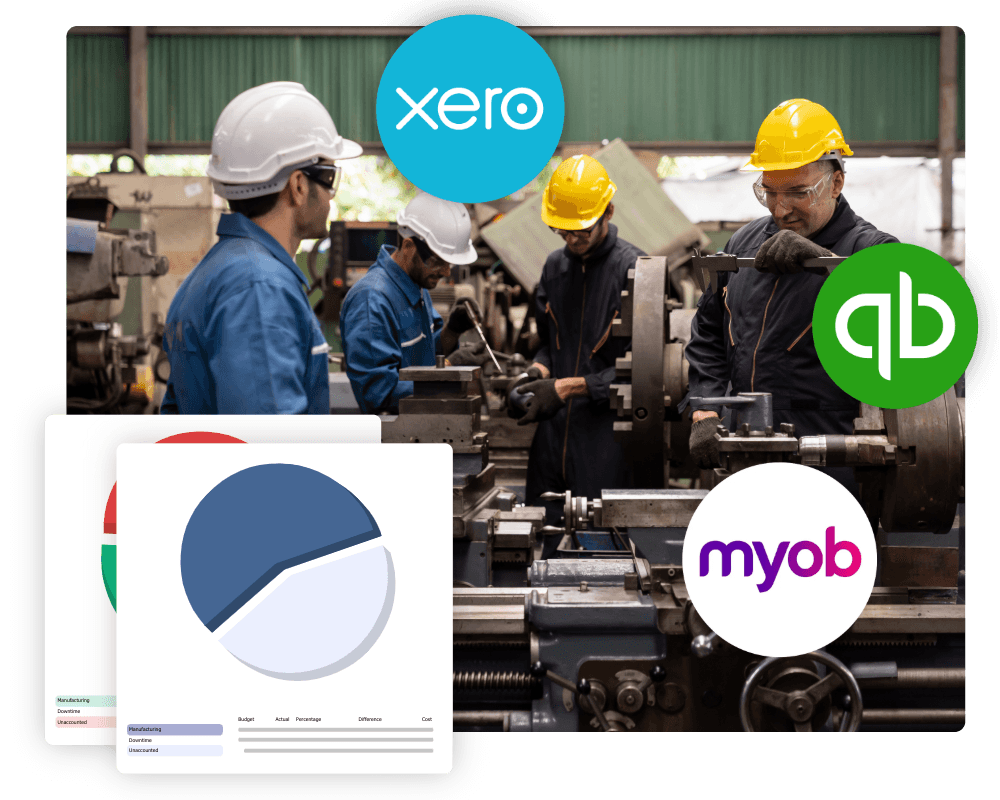
Xero, MYOB, and QuickBooks can do basic project tracking, but they cost jobs after the fact from financial data. A real job costing system costs jobs from the floor, in real time, then feeds the numbers to your accounting software. If a job-costing tool can't capture labour on the floor, it's an accounting add-on, not a costing system.
15–30%
Typical inaccuracy in paper-based time tracking — the foundation most job costs are built on
Questions to ask before you buy
- Can a worker clock onto a job from the floor in a couple of taps?
- Can it show quoted vs actual hours on a job that ran over?
- How does material cost get onto the job?
- How does the data get into Xero or MYOB — a real integration, or a CSV export?
The bottom line
The best job costing system for a NZ workshop is the one built for the floor — accurate labour, task-level detail, live quoted-vs-actual, and clean accounting integration. Empower does exactly this for 250+ manufacturers. See how job costing works, or run your numbers.